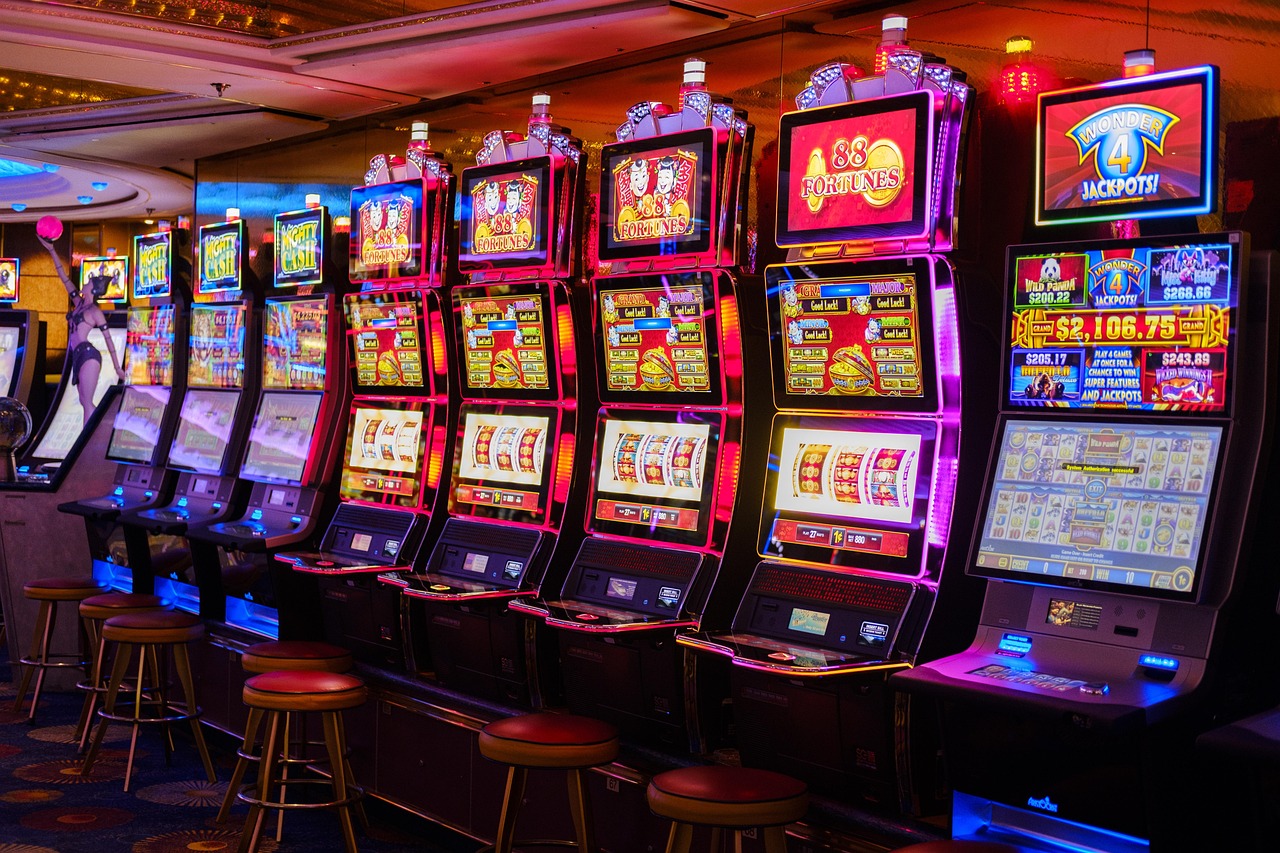
Why do we keep tapping, swiping, and spinning—even when we know the odds aren’t in our favour? It’s not just about chasing money anymore. Today’s slot machines have evolved into carefully engineered digital experiences that play directly on the human brain’s reward system. By combining advanced game mechanics with behavioural psychology, developers have created machines that offer more than just a win or loss—they offer satisfaction. The secret behind it? A technique called gamification, borrowed from the world of mobile and video games. It’s how the simplest slot now feels like a mission-based journey rather than a repetitive bet. And while it might feel fun on the surface, what’s really happening goes much deeper. If you want to explore how these techniques work and why they’re so powerful, this post from newsexaminer.net covers it, diving into how slot machines are tapping into core aspects of gaming culture to keep players spinning.
What Is Gamification, and Why Does It Matter?
Gamification refers to the use of game-like features—such as levels, points, achievements, and rewards—in non-game settings. In the world of online slots, this means turning a simple spin into part of a larger, more engaging journey. Instead of just pulling a virtual lever, players might be progressing through a storyline, unlocking new features, or earning loyalty badges.
These mechanics are no longer just about adding flair—they’re about driving behaviour. Each feature is designed to keep players engaged for longer and returning more often. And it works—because it taps directly into our brain chemistry.
The Dopamine Loop: A Built-In Feedback System
Dopamine is a neurotransmitter often associated with pleasure—but more accurately, it’s linked to anticipation and motivation. Every time you spin a reel, unlock a feature, or complete a mission, your brain gets a hit of dopamine. It’s not the result that matters most—it’s the excitement of maybe getting it.
Gamified slots use this feedback loop to their advantage. Randomised rewards, variable payout schedules, and visual celebrations (like flashing lights and winning animations) create a continuous sense of progress and near-miss excitement—even when you’re not actually winning much. This keeps the brain stimulated, reinforcing the habit.
How Features Trigger Emotional Responses
Slot games now include features previously found only in video games: progress bars, “level up” notifications, daily challenges, and achievement unlocks. These aren’t just cosmetic—they create a sense of accomplishment and control. Even when the outcome is random, these elements give players the illusion of mastery, which enhances enjoyment.
Psychologically, these “wins” light up the same reward centres as actual victories. Combined with the potential for real-money rewards, this creates a powerful emotional cocktail that keeps players engaged far beyond what traditional slots ever achieved.
Not Just Gambling—An Entire Emotional Experience
The modern slot machine isn’t just about luck—it’s about experience. The game elements, sound design, visuals, and progression mechanics are all engineered to keep you in the zone. And the better these elements are balanced, the stronger the dopamine effect.
That’s why slots today feel more interactive, more satisfying—and yes, more addictive—than ever before.
Final Thoughts: Why Knowing the Mechanics Matters
Gamification has redefined how slot machines function—not only in terms of gameplay, but in how they affect our emotions, behaviour, and attention spans. By building experiences around progress and reward anticipation, slot games have become emotional engines rather than simple games of chance. Understanding this isn’t just helpful—it’s essential for anyone who wants to engage responsibly.